
Bypass Surgery Ka Sach! Kya Dil Sach Mein Rok Diya Jaata Hai? | Heart Bypass in 3D
What is Heart Bypass Surgery (CABG)? An In-Depth Medical Guide Coronary Artery Bypass Grafting (CABG), commonly known in India and around the world as Heart Bypas...
Medically Reviewed By
Medscope Editorial Team Verified
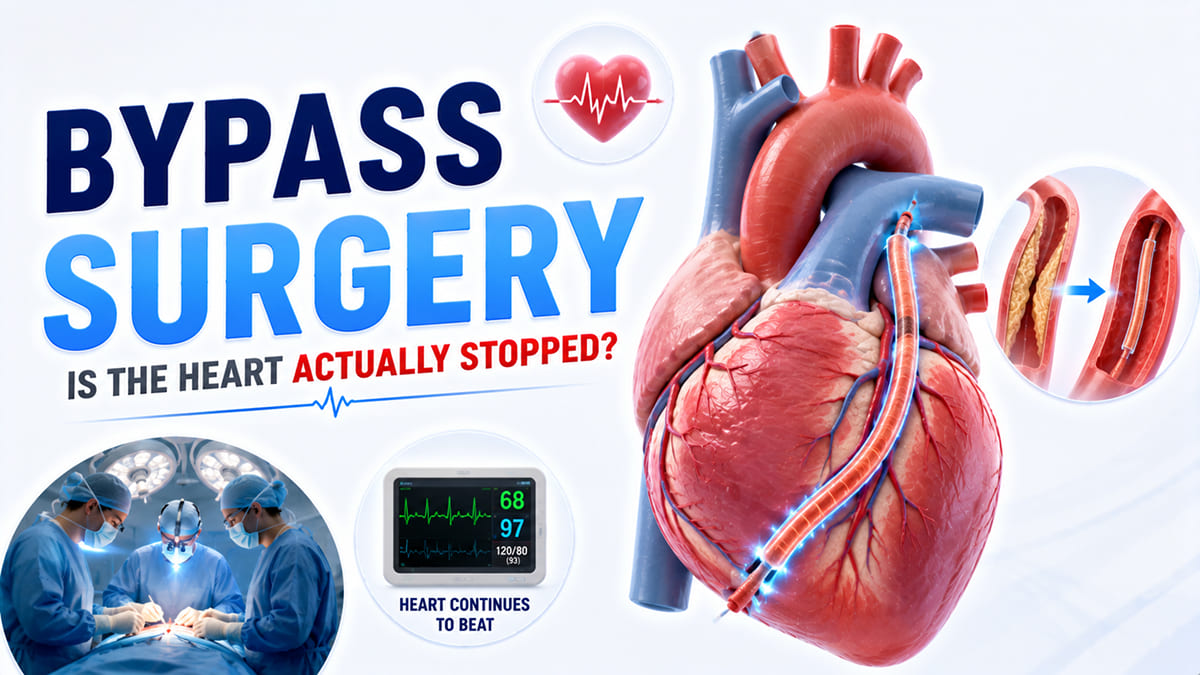
What is Heart Bypass Surgery (CABG)? An In-Depth Medical Guide
Coronary Artery Bypass Grafting (CABG), commonly known in India and around the world as Heart Bypass Surgery, is one of the most critical and life-saving surgical procedures in modern cardiovascular medicine. The human heart is a relentless, powerful muscle that beats approximately 100,000 times every single day. To sustain this massive workload, the heart muscle (myocardium) requires a constant, rich supply of oxygenated blood. This blood is delivered by a network of blood vessels known as the coronary arteries.
However, due to a combination of poor dietary habits (high cholesterol), smoking, sedentary lifestyles, severe stress, and genetic factors, fatty deposits and cholesterol begin to build up on the inner walls of these coronary arteries. Over time, this buildup hardens into plaque—a condition medically known as Atherosclerosis. When these arteries become dangerously narrow or fully blocked, the heart muscle is starved of oxygen. This leads to severe chest pain (Angina) or a fatal Myocardial Infarction (Heart Attack). A bypass surgery does not clean out or remove this blockage. Instead, the surgeon creates a brand-new pathway—a detour or a "bypass"—for the blood to flow around the blocked area, successfully restoring oxygen delivery to the heart muscle.
The Big Question: Is the Heart Actually Stopped During Surgery?
This is perhaps the most common and terrifying question asked by patients and their families before the operation: "Will the surgeon actually stop my heart from beating?"
For a traditional, conventional "On-Pump" CABG procedure, the clinical answer is a definitive Yes. Operating on a beating, moving heart that is full of high-pressure blood is incredibly difficult. The cardiac surgeon must perform delicate, microscopic vascular suturing (stitching a tiny vein to a tiny artery). To achieve the perfect, leak-proof surgical precision required for this, the surgeon absolutely needs a completely still, motionless, and bloodless surgical field.
How the Heart-Lung Machine (CPB) Keeps You Alive
If the heart is stopped, how does the patient survive, and how does the brain continue to get oxygen? This is where the true miracle of modern medical engineering comes into play: the Cardiopulmonary Bypass (CPB) Machine, famously known as the heart-lung machine. This machine temporarily takes over the exact physiological functions of both your heart (pumping blood) and your lungs (oxygenating blood).
Step-by-Step: Going "On-Pump"
- Cannulation (Connecting the Machine): Before the heart is stopped, the surgeon inserts large, sterile plastic tubes called cannulas into the patient's major blood vessels. One tube goes directly into the Right Atrium to drain all the deoxygenated (blue) blood returning from the body before it can enter the heart chambers. Another tube is placed high up in the Aorta to pump the fresh blood back into the body.
- Rerouting and Oxygenation: The patient's blood flows out of the body and into the CPB machine. Inside the machine, an artificial oxygenator (acting as the lungs) adds fresh oxygen to the blood and removes carbon dioxide. A mechanical roller or centrifugal pump (acting as the heart) then forcefully pushes this fresh blood back into the aorta to feed the brain and vital organs.
- Cardioplegia (Stopping the Engine): Once the machine has safely taken over the entire body's circulation, the surgeon injects a specialized, extremely cold, high-potassium medical solution called Cardioplegia directly into the coronary arteries. The high potassium completely overrides the heart's electrical pacemaker, causing the heart muscle to instantly paralyze and stop beating. The extreme cold reduces the heart's metabolic need for oxygen down to almost zero, protecting the tissue from necrosis (dying) while it is stopped.
The Grafting Procedure: Building the New Roads
With the heart completely still and protected, the surgeon can begin the actual bypass. But where do the new blood vessels come from? They are harvested from the patient's own body to ensure there is no immune rejection. The most common grafts used are:
- The Saphenous Vein: A long, superficial vein carefully removed endoscopically from the patient's leg.
- The Internal Mammary Artery (LIMA/RIMA): Arteries located perfectly right inside the chest wall. These are considered the best grafts because they have fantastic long-term durability and rarely get blocked again.
- The Radial Artery: An artery taken from the forearm.
The surgeon sews one end of the harvested vessel to the aorta (the main supplier of blood) and the other end to the coronary artery, exactly below the blockage. If a patient is undergoing a "Triple Bypass," it simply means three separate blockages were bypassed using three different grafts.
Restarting the Heart and Post-Op Recovery
Once all the new grafts are securely stitched and meticulously checked for leaks, the surgeon flushes out the cardioplegia solution and allows warm, fresh, oxygenated blood to flow back into the heart muscle. In many cases, as the heart warms up, it spontaneously starts beating on its own in a normal rhythm. If it doesn't, the surgeon uses internal defibrillator paddles to deliver a mild electric shock, jolting the heart's electrical system back to life.
The patient is then carefully and slowly weaned off the heart-lung machine. The tubes are removed, the chest bone (sternum) is wired back together with stainless steel wires, and the patient is transferred to the Cardiac Intensive Care Unit (CICU) for close monitoring.
Frequently Asked Questions (FAQs) About CABG
1. What is an "Off-Pump" or Beating Heart Surgery?
In some cases, surgeons perform OPCAB (Off-Pump Coronary Artery Bypass). In this modern technique, the heart-lung machine is not used, and the heart is not stopped. Instead, the surgeon uses a mechanical stabilization device (like an octopus tissue stabilizer) to hold just a tiny portion of the heart completely still while the rest of the heart continues to beat and pump blood. This is beneficial for older patients or those with kidney issues.
2. How long does a bypass surgery take?
A standard CABG surgery typically takes between 3 to 6 hours, depending on the number of bypasses required and the patient's overall anatomy.
3. Will I be cured after bypass surgery?
Bypass surgery treats the symptoms and restores blood flow, but it does not cure the underlying disease (Atherosclerosis). If the patient continues to smoke, eat unhealthy foods, and ignore their diabetes or cholesterol medications, the new bypass grafts can easily get blocked again. A strict, healthy lifestyle is mandatory for long-term success.