
Dast (Loose Motion) Ka Turant Ilaj | How to Stop Diarrhea Fast (3D)
Dast (Loose Motion) Ka Turant Ilaj: How to Stop Diarrhea Fast Diarrhea, commonly known as loose motion or "dast," is an incredibly common but highly disruptive ga...
Medically Reviewed By
Medscope Editorial Team Verified
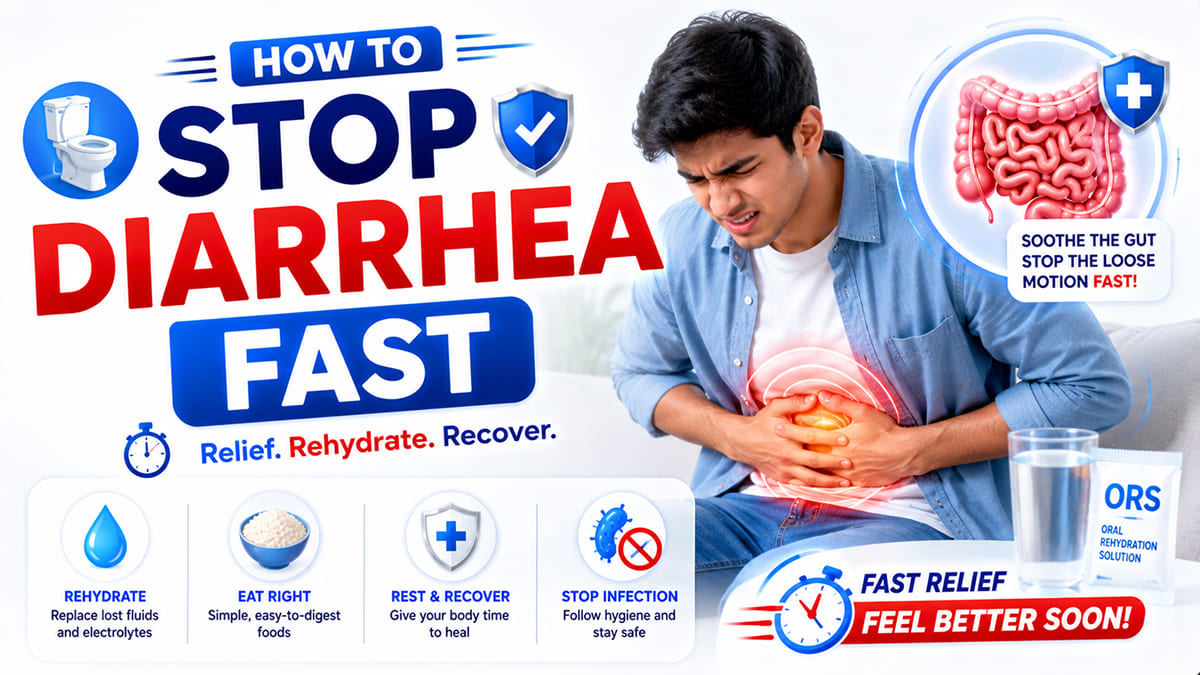
Dast (Loose Motion) Ka Turant Ilaj: How to Stop Diarrhea Fast
Diarrhea, commonly known as loose motion or "dast," is an incredibly common but highly disruptive gastrointestinal condition. It is characterized by the frequent passage of watery, unformed stools, often accompanied by severe abdominal cramps, bloating, and nausea. While many people view a sudden bout of diarrhea as a minor inconvenience, the medical reality is quite different. If not managed quickly and correctly, diarrhea can escalate into a life-threatening medical emergency, particularly for young children and the elderly.
To understand the most effective, fast-acting treatments (turant ilaj) for loose motion, we must first look at the physiology of the digestive tract and understand exactly why the body loses so much fluid during an episode of diarrhea.
The Pathophysiology of Diarrhea: What Goes Wrong?
Under normal physiological conditions, when digested food (chyme) travels from your small intestine into your large intestine (colon), it is mostly in a liquid state. The primary biological job of the large intestine is to absorb this excess water and essential electrolytes (like sodium and potassium) back into your bloodstream, turning the liquid waste into solid stool.
During an episode of diarrhea—usually caused by a viral infection (like Rotavirus), bacterial toxins (food poisoning), or an upset stomach—this normal process completely breaks down. The intestinal lining becomes inflamed. Instead of absorbing water, the inflamed intestinal walls secrete extra water and electrolytes into the bowel. Simultaneously, the intestinal muscles contract too rapidly (hypermotility), pushing the waste out before the colon has any time to absorb the water. The result is rapid, watery loose motion.
The #1 Real Danger: Severe Dehydration
The true medical danger of diarrhea is not the loose stool itself, but the massive loss of fluids. When you suffer from severe diarrhea, your body is rapidly drained of water and critical electrolytes. Dehydration can cause a dangerous drop in blood pressure, severe muscle cramps, extreme fatigue, kidney damage, and in extreme cases, hypovolemic shock.
Step 1: The Ultimate Treatment – ORS (Oral Rehydration Solution)
When patients have loose motion, their first instinct is to drink plain water. However, drinking plain water is not enough to cure the dehydration caused by diarrhea. In fact, drinking too much plain water can dilute the remaining sodium in your blood, leading to a dangerous condition called hyponatremia.
The absolute first and most necessary treatment is an ORS (Oral Rehydration Solution). Why is ORS considered a medical miracle? It relies on a biological mechanism in the intestines called the Sodium-Glucose Cotransporter (SGLT1). The intestines cannot absorb sodium properly without the presence of glucose (sugar). ORS contains the exact, scientifically calculated ratio of salt, sugar, and water. When you drink ORS, the glucose unlocks the cellular doors, allowing the sodium and water to be rapidly pulled directly from the intestines into your bloodstream, instantly rehydrating you and restoring your energy levels.
Step 2: The BRAT Diet (What to Eat During Loose Motion)
Your digestive system is highly inflamed and sensitive during a bout of diarrhea. Eating heavy, complex meals will only trigger more bowel movements. The internationally recommended clinical diet for stopping diarrhea fast is the BRAT Diet. These foods are incredibly bland, easy to digest, and help bind the stool together:
- B - Bananas: Bananas are easily digestible and packed with Potassium, a critical electrolyte lost during loose motion. They also contain pectin, a soluble fiber that absorbs excess liquid in the intestines.
- R - Rice (White Rice): Plain, boiled white rice provides simple carbohydrates for quick energy. It is low in fiber, meaning it won't stimulate the bowels, and it acts as a binding agent to solidify the stool.
- A - Applesauce: Like bananas, apples contain pectin. However, you must eat cooked, peeled apples (applesauce) because the raw skin contains too much rough insoluble fiber, which is hard to digest.
- T - Toast (White Bread): Plain white toast provides easily digestible calories and complex carbohydrates without irritating the gastric mucosa.
Step 3: Foods to Strictly Avoid During Diarrhea
Knowing what not to eat is just as important as knowing what to eat. To prevent worsening your symptoms, strictly avoid the following:
- Dairy Products (Milk, Cheese): Diarrhea washes away the enzyme lactase from the tips of your intestinal lining. This causes temporary lactose intolerance. Drinking milk will cause severe gas, bloating, and make the diarrhea much worse.
- Spicy Foods: Spices contain capsaicin, which chemically burns and irritates an already inflamed intestinal lining, triggering rapid bowel movements.
- Excessive Sweets and Sugar: High sugar content in the gut causes Osmotic Diarrhea. The heavy sugar concentration actually pulls more water from your bloodstream into your intestines, completely defeating your rehydration efforts.
Step 4: Supplements for Faster Recovery (Zinc and Probiotics)
Modern clinical guidelines highly recommend two powerful supplements to speed up the healing process of the gut:
- Zinc Supplements: The World Health Organization (WHO) strongly recommends Zinc for diarrhea. Zinc drastically speeds up the regeneration of the damaged intestinal epithelium (the gut lining) and boosts immune function, reducing the duration and severity of the episode.
- Probiotics: A severe bout of diarrhea physically flushes out the "good bacteria" (normal flora) from your gut. Taking a probiotic supplement (containing Lactobacillus or Saccharomyces boulardii) quickly repopulates your gut with good bacteria, restoring normal digestion and preventing future infections.
Red Flags: When to See a Doctor Immediately
While most cases of loose motion can be safely treated at home with ORS and the BRAT diet within 24 to 48 hours, you must be aware of critical warning signs. If you experience any of the following Red Flag Symptoms, you must consult a doctor or visit a hospital immediately:
- Diarrhea symptoms that last for more than 2 days without any improvement.
- A high fever (above 102°F or 39°C).
- Stools that are black, tarry, or contain visible red blood (Dysentery).
- Signs of severe dehydration: extreme unquenchable thirst, completely dry mouth, lack of urination, or severe dizziness/fainting when standing up.
Remember, the right knowledge is the right treatment. By prioritizing massive hydration with ORS and eating a gentle, binding diet, you can stop diarrhea quickly and safely restore your body to full health.