
PCOS Management Explained | How to Control PCOS Fast! ️ | Symptoms, Diet & Treatment
How to Control PCOS Fast! The Ultimate Science-Backed Management Guide If you are experiencing highly irregular periods, rapid unexplained weight gain, severe cys...
Medically Reviewed By
Medscope Editorial Team Verified
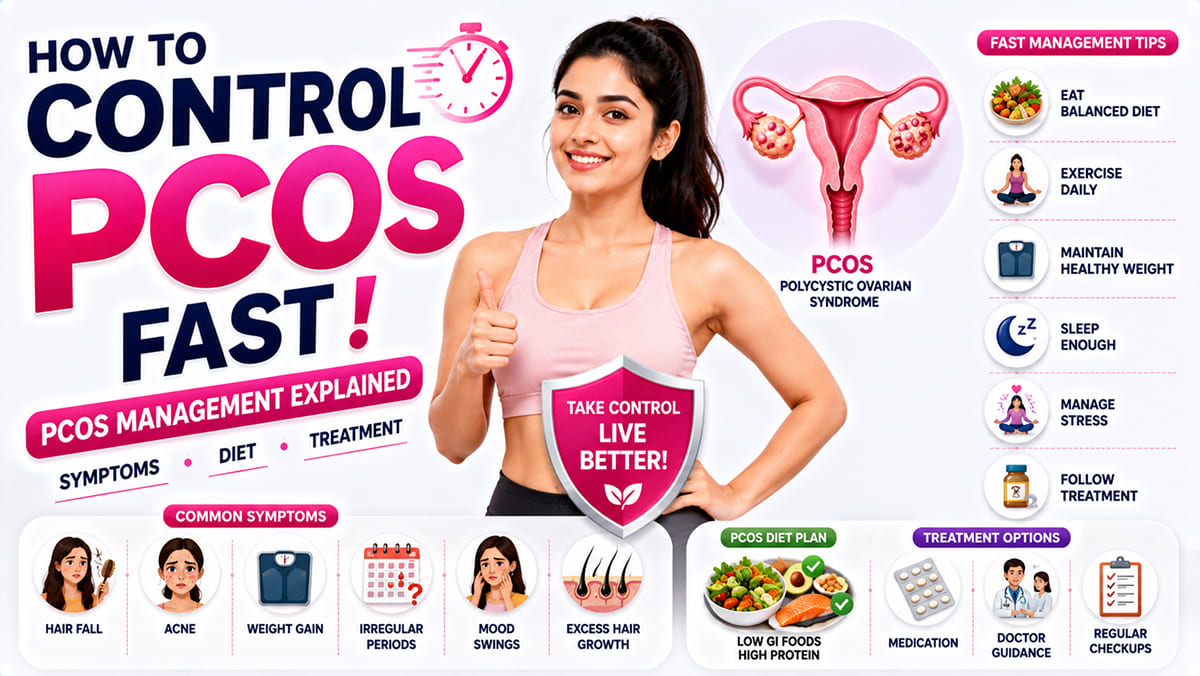
How to Control PCOS Fast! The Ultimate Science-Backed Management Guide
If you are experiencing highly irregular periods, rapid unexplained weight gain, severe cystic acne, or the sudden appearance of thick facial hair, you might be one of the millions of women worldwide battling Polycystic Ovary Syndrome (PCOS). Receiving a PCOS diagnosis can be incredibly overwhelming. Because the symptoms are so aggressive and systemic, many women feel as though their own bodies have turned against them.
However, modern endocrinology offers an incredibly empowering truth: While PCOS cannot be permanently "cured," it can be 100% managed, controlled, and pushed into complete remission. By understanding the underlying biology of your hormones, you can take strategic, scientifically proven steps to reclaim your metabolic health. Let us dive deep into the cellular mechanics of PCOS management and explore exactly how diet, exercise, and targeted medications can rapidly reverse the symptoms of this complex syndrome.
The Core Target: Reversing Insulin Resistance
Before implementing any treatment plan, you must understand the primary enemy. In the vast majority of PCOS cases, the root biological cause of the chaos is a metabolic condition called Insulin Resistance.
Under normal circumstances, the hormone Insulin acts as a biological key, unlocking your muscle and fat cells so they can absorb glucose (sugar) from your blood and burn it for energy. In a body with PCOS, these cellular locks become "resistant." The cells refuse to open, causing glucose to build up in the bloodstream. Panicking, the pancreas pumps out massive, excessive amounts of insulin to force the sugar into the cells.
This massive spike in insulin is the true driver of PCOS. Extremely high insulin levels travel to the ovaries and act as a highly aggressive stimulant, forcing the ovaries to overproduce male sex hormones (Androgens). This androgen overload is what stops ovulation, causes the cysts, triggers hair growth, and causes severe acne. Therefore, the ultimate goal of any fast PCOS management plan is simple: Lower your insulin levels, and your androgen levels will naturally fall.
Step 1: The Dietary Defense (Starving the Insulin Spike)
Because insulin is released strictly in response to the food you eat (specifically carbohydrates and sugars), your daily diet is the single most powerful medical tool you possess to fight PCOS.
Eliminate Refined Sugars and Simple Carbohydrates
To control insulin, you must stop spiking your blood sugar. Refined sugars (like those in sodas, sweets, and pastries) and simple carbohydrates (like white bread, white rice, and maida) digest incredibly fast. They dump a massive load of glucose into your bloodstream in minutes, forcing the pancreas to release a huge wave of insulin. By strictly eliminating these foods, you instantly stop the hormonal roller coaster that feeds PCOS.
Prioritize High Fiber and Lean Protein
Instead of simple carbs, focus on complex carbohydrates rich in Dietary Fiber (like oats, quinoa, lentils, and green leafy vegetables). Fiber acts as a biological speed bump in your digestive tract. It drastically slows down the absorption of sugar into your blood, resulting in a gentle, tiny insulin release rather than a massive spike.
Additionally, prioritizing high-quality protein (like eggs, chicken, fish, tofu, and legumes) keeps you feeling completely full and satiated, which prevents the sugar cravings that often plague women with PCOS.
Step 2: The Power of Movement (Exercise as Medicine)
Diet controls the amount of sugar entering your blood, but exercise dictates how your body burns it. For women with PCOS, regular physical exercise is not just about weight loss; it is a critical medical intervention.
How Exercise Fixes the Cellular Locks
When you engage in intense physical activity, specifically Strength Training (Weightlifting) combined with Cardiovascular exercises (like brisk walking or cycling) for at least 30 to 45 minutes a day, an incredible physiological shift occurs.
Exercising muscle tissue requires massive amounts of immediate energy. During a workout, your muscle cells actually bypass the need for insulin entirely. They open their doors and pull glucose directly from the blood without waiting for the insulin key. Furthermore, post-workout, your muscles become highly Insulin Sensitive for up to 24 to 48 hours. This means the pancreas does not need to produce excess insulin anymore. As insulin levels drop, ovarian androgen production drops, and normal menstrual cycles can resume.
The Magic of 5% to 10% Weight Loss
Clinical studies have proven a phenomenal medical fact regarding PCOS: You do not need to become extremely skinny to see results. If an overweight woman with PCOS loses just 5% to 10% of her total body weight, the reduction in visceral fat drastically improves the body's hormonal profile. This small amount of weight loss is often enough to spontaneously restart regular ovulation and natural periods.
Step 3: Stress Management and Sleep (The Cortisol Connection)
It is medically impossible to heal a body that is constantly in a state of high stress. Chronic psychological stress (from work, anxiety, or lack of sleep) forces the adrenal glands to continuously pump out the stress hormone, Cortisol.
High cortisol levels are disastrous for PCOS. Cortisol actively increases blood sugar levels and aggressively worsens insulin resistance. Furthermore, the adrenal glands can also produce weak androgens when overstimulated by stress. To combat this, strict sleep hygiene is mandatory. Sleeping 7 to 8 hours of deep, uninterrupted sleep every single night allows the endocrine system to rest, reset, and balance its hormone production.
Step 4: Medical Intervention (Pills and Metformin)
While lifestyle changes are the foundation of PCOS management, many women require additional medical support to break the severe hormonal deadlock. Only a qualified gynecologist or endocrinologist should prescribe these medications.
- Metformin: Originally a medication designed for Type 2 Diabetes, Metformin is widely prescribed for PCOS. It works directly on the liver to stop it from producing excess glucose and makes the muscle cells highly sensitive to insulin. By artificially lowering insulin levels, Metformin helps women lose weight and often restores regular ovulation.
- Hormonal Contraceptives (Birth Control Pills): If a woman is not actively trying to get pregnant, doctors often prescribe oral contraceptive pills. These pills provide a steady, artificial dose of Estrogen and Progesterone. This suppresses the excessive androgen production from the ovaries, clears up severe cystic acne, stops unwanted facial hair growth, and forces the uterus to shed its lining regularly, preventing the risk of endometrial cancer.
- Anti-Androgen Medications: Drugs like Spironolactone can be prescribed specifically to block the effects of male hormones on the skin and hair follicles, effectively treating severe acne and hirsutism.
Conclusion: Consistency is the Ultimate Cure
The journey to managing Polycystic Ovary Syndrome is not a sprint; it is a lifelong marathon. Because PCOS is deeply embedded in your metabolic and endocrine genetics, you cannot strictly "cure" it with a 30-day crash diet. However, by adopting a low-glycemic, high-fiber diet, engaging in daily insulin-sensitizing exercise, prioritizing your mental peace and sleep, and seeking proper medical guidance, you have the absolute power to control your symptoms 100%.
Remember, true healing requires deep biological knowledge and unwavering consistency. You are not defined by PCOS; with the right tools, you can take back complete control of your body and your health.
For more fascinating 3D anatomical journeys and deep dives into medical science and women's health, make sure to subscribe to Medscope Visuals on YouTube! Let us know in the comments which bodily function or medical condition you want us to explain in 3D next!