
Kabj Ki Asli Wajah Aur Natural Ilaj | Constipation Treatment
The Anatomy of Digestion: Why Does Constipation Actually Happen? Constipation (Kabj) is one of the most widespread and frustrating gastrointestinal complaints glo...
Medically Reviewed By
Medscope Editorial Team Verified
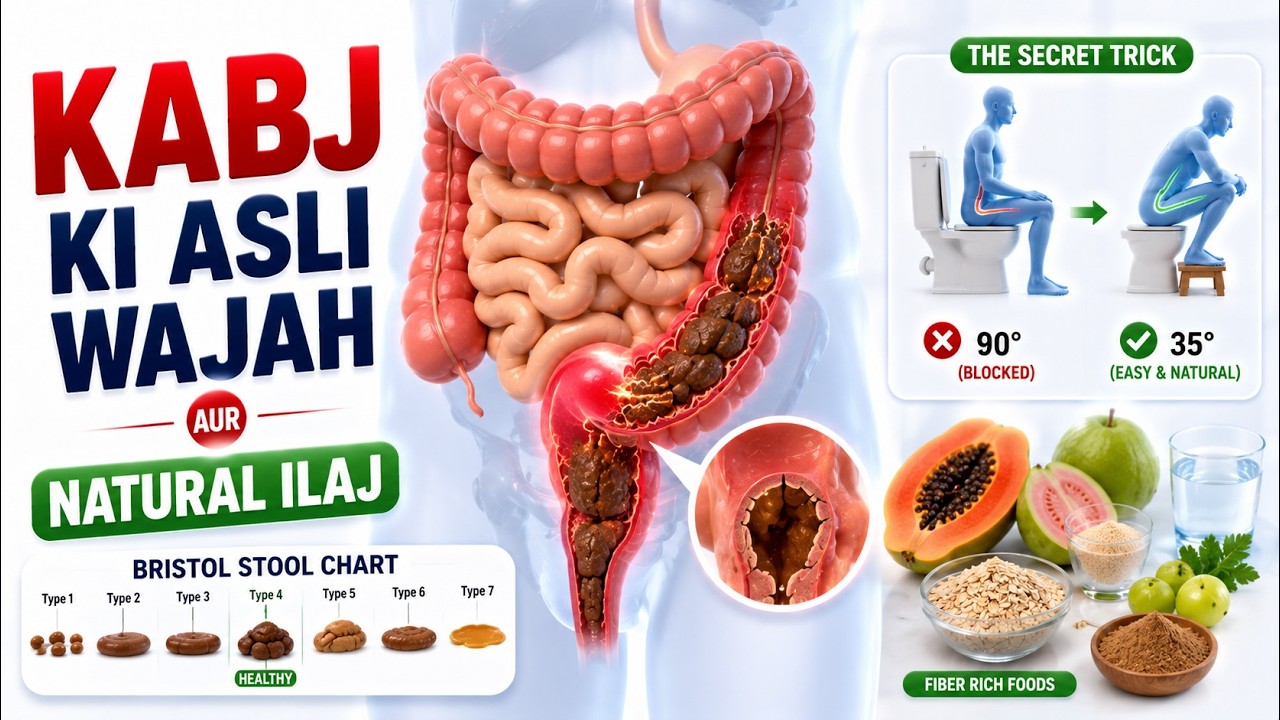
The Anatomy of Digestion: Why Does Constipation Actually Happen?
Constipation (Kabj) is one of the most widespread and frustrating gastrointestinal complaints globally. Medically, constipation is defined as having fewer than three bowel movements per week, or consistently passing hard, dry, and painful stools. Many people rely on over-the-counter laxatives for quick relief, but these chemicals only mask the symptoms. To truly cure the problem, we must understand the physiological root cause by looking at how the Large Intestine (Colon) operates.
When you eat, food travels through the stomach and small intestine, where all the nutrients are absorbed. By the time this leftover waste (chyme) enters your colon, it is mostly liquid. The primary biological job of the colon is twofold: first, to absorb water and electrolytes from this liquid waste back into the bloodstream, and second, to use rhythmic muscle contractions (known as Peristalsis) to push the forming stool toward the rectum.
The Core Pathophysiology of Constipation: If the stool moves too slowly through the colon (slow transit), or if it sits in the rectum for too long because you ignored the urge to go, the colon will simply keep doing its job—it will continue to suck water out of the stool. Over time, the stool becomes dehydrated, hard, rock-like, and incredibly difficult to pass. This leads to straining, which can eventually cause hemorrhoids (piles) or anal fissures.
The True Root Causes of Chronic Constipation
For the vast majority of people, chronic constipation is not an underlying disease, but a direct biological response to poor lifestyle and dietary choices. The major root causes include:
- Severe Lack of Dietary Fiber: Fiber is the structural part of plants that the human body cannot digest. A modern diet high in processed foods, white flour, meat, and dairy, but extremely low in vegetables and whole grains, is the leading cause of constipation. Without fiber, the stool lacks bulk.
- Chronic Dehydration: The colon requires an immense amount of water to keep the stool soft. If your body is systemically dehydrated, the brain commands the colon to aggressively suck every last drop of water out of the stool to keep your vital organs functioning.
- Sedentary Lifestyle: Physical movement literally stimulates the smooth muscles of your intestines. A lack of daily exercise dramatically slows down intestinal peristalsis.
- Ignoring the Urge to Defecate: Delaying a bowel movement because you are busy or uncomfortable using public restrooms allows the stool to remain in the colon far too long, drying it out completely.
Natural Treatments and Physiological Interventions
Before relying on chemical laxatives (which can cause severe dependency and "lazy bowel syndrome"), try these highly effective, science-backed natural treatments:
- Increase Both Soluble and Insoluble Fiber: You must eat more oats, apples, beans, chia seeds, flaxseeds, and leafy greens. Insoluble fiber adds bulk, while soluble fiber acts like a gel, holding water inside the stool to keep it soft and slippery.
- Aggressive Morning Hydration: Drink 2 to 3 large glasses of warm water immediately upon waking up. This sudden intake of warm fluid triggers the Gastrocolic Reflex, a physiological mechanism where the stomach tells the colon to immediately make room by emptying its contents.
- Probiotics and Fermented Foods: Your gut microbiome plays a huge role in bowel motility. Eating yogurt, kefir, or taking probiotic supplements helps balance gut bacteria, reducing bloating and improving digestion.
- Fix Your Bathroom Posture (The Squat): The modern Western toilet forces the human body to sit at a 90-degree angle. This unnatural position pinches a muscle called the Puborectalis muscle around the rectum, essentially keeping a kink in the hose. Using a footstool to elevate your knees into a "squatting" position relaxes this muscle completely, allowing for a smooth, effortless elimination.