
Septic Shock Management & Pathophysiology in 3D | Fluid Resuscitation |
What is Sepsis and Septic Shock? Sepsis is a life-threatening medical emergency caused by the body's extreme, overactive response to an infection. When sepsis pro...
Medically Reviewed By
Medscope Editorial Team Verified
What is Sepsis and Septic Shock?
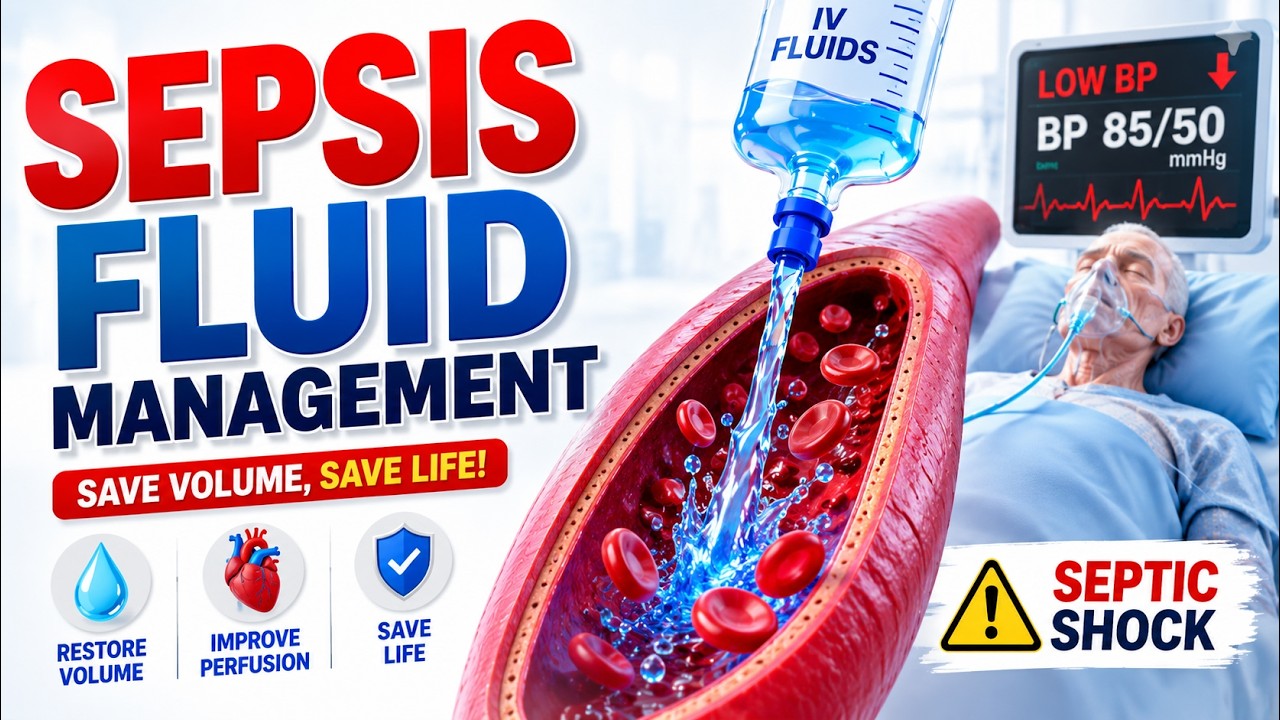
Sepsis is a life-threatening medical emergency caused by the body's extreme, overactive response to an infection. When sepsis progresses to Septic Shock, it becomes a critical condition characterized by a severe drop in blood pressure (hypotension) and cellular metabolic abnormalities that significantly increase the mortality rate.
Pathophysiology of Septic Shock
To understand how to treat septic shock, we must first understand the pathophysiology at the cellular level:
- Systemic Inflammatory Response: When a severe infection (like pneumonia or a UTI) enters the bloodstream, the immune system releases a massive amount of inflammatory mediators (cytokines).
- Massive Vasodilation: These cytokines cause the blood vessels throughout the body to widen rapidly (vasodilation). This leads to a sudden and dangerous drop in systemic blood pressure.
- Capillary Leak Syndrome: The blood vessels become highly permeable ("leaky"). Fluid escapes from the intravascular space into the surrounding tissues, further reducing blood volume and pressure.
- Tissue Hypoxia and Lactic Acid: Because blood pressure is too low to push oxygen to vital organs, tissues begin anaerobic metabolism, causing a dangerous buildup of lactic acid in the blood.
Septic Shock Management: Fluid Resuscitation & Vasopressors
The core of surviving septic shock relies on rapid medical intervention, often guided by the "Surviving Sepsis Campaign" protocols:
- Aggressive Fluid Resuscitation: The immediate priority is to restore blood volume. The standard guideline dictates giving 30 mL/kg of IV crystalloid fluids (like Normal Saline or Ringer's Lactate) within the first 3 hours to combat the severe hypotension.
- Vasopressor Therapy: If the patient's blood pressure does not improve after massive fluid therapy, medications that constrict blood vessels (vasopressors) are necessary. Norepinephrine is the first-line vasopressor of choice to raise Mean Arterial Pressure (MAP) above 65 mmHg.
- Broad-Spectrum Antibiotics: Obtaining blood cultures and administering IV antibiotics within the first hour is absolutely critical to eliminate the root cause of the shock.
Early Signs of Sepsis Nurses Should Not Miss
Sepsis can begin subtly before progressing to shock. Warning signs include fever or hypothermia, rapid heart rate, fast breathing, confusion, reduced urine output, mottled or cool skin, low blood pressure, high lactate, and a suspected source of infection such as pneumonia, urinary tract infection, abdominal infection, wound infection, or catheter-related infection. Elderly, diabetic, immunocompromised, postoperative, and ICU patients may not show classic fever, so changes in mental status or sudden weakness can be the first clue.
The Sepsis Bundle Concept
Modern sepsis care focuses on rapid bundled action: measure lactate, obtain blood cultures before antibiotics when possible, give broad-spectrum antibiotics early, start IV crystalloid fluids for hypotension or high lactate, and use vasopressors if shock persists after fluids. Lactate is important because it reflects poor tissue perfusion and anaerobic metabolism. Nurses play a central role by recognizing deterioration, escalating quickly, collecting cultures, administering time-critical medicines, monitoring urine output, and reassessing blood pressure and perfusion after each intervention.
Sepsis reassessment is just as important as the first response. After fluids or vasopressors, clinicians should recheck mental status, capillary refill, urine output, blood pressure, oxygen requirement, lactate trend, and skin perfusion to confirm whether tissue oxygen delivery is improving.