
What is Endometriosis? | Severe Period Pain Explained (3D Animation)
What is Endometriosis? Endometriosis is a chronic, painful, and often misunderstood gynecological disorder that affects millions of women worldwide. It is a major...
Medically Reviewed By
Medscope Editorial Team Verified
What is Endometriosis?
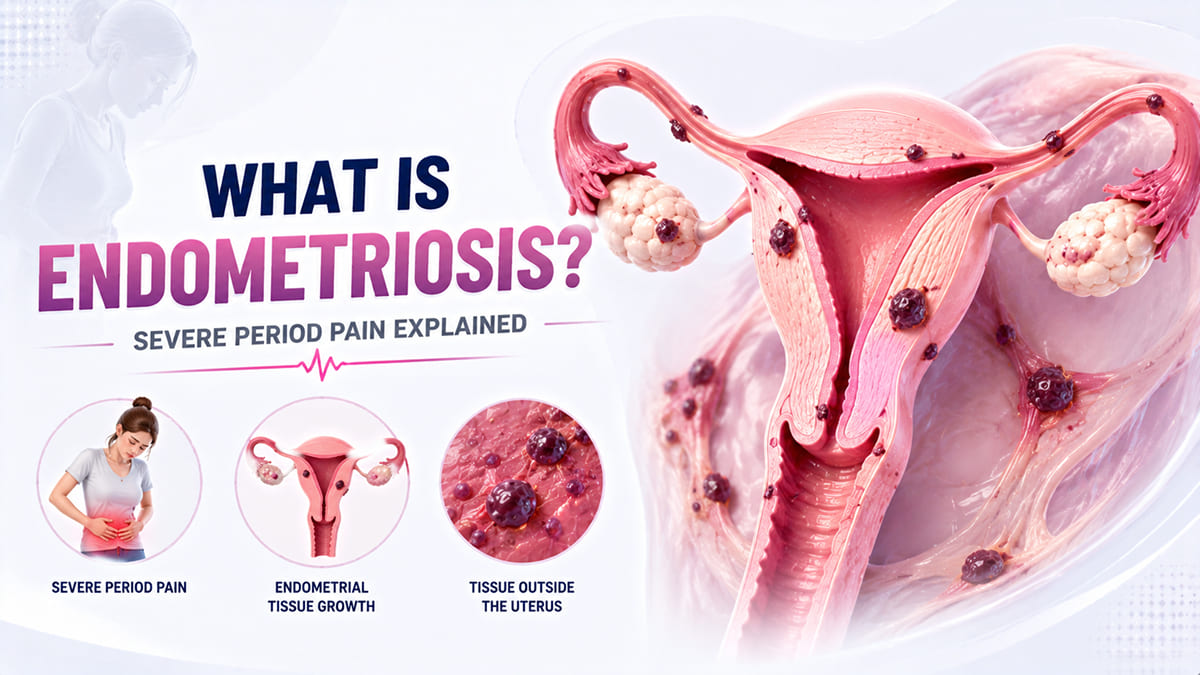
Endometriosis is a chronic, painful, and often misunderstood gynecological disorder that affects millions of women worldwide. It is a major cause of severe pelvic pain and infertility. To understand this disease, we must first look at the normal anatomy of the female reproductive system.
The Normal Uterus vs. Endometriosis
Normally, the inside of the uterus is lined with a special tissue called the Endometrium. Every month, during the menstrual cycle, hormones cause this endometrial lining to thicken to prepare for a potential pregnancy. If no pregnancy occurs, the lining breaks down, bleeds, and exits the body through the vagina. This is a normal period.
In Endometriosis, tissue that is structurally similar to this endometrial lining starts growing outside of the uterus. These abnormal growths (lesions) are commonly found on the ovaries, fallopian tubes, the outer surface of the uterus, and the lining of the pelvis.
Why Does it Cause So Much Pain? (Pathophysiology)
The core problem with endometriosis is that these misplaced tissues still respond to the body's monthly menstrual hormones. Just like the normal lining inside the uterus, these external lesions thicken, break down, and bleed every month.
However, because this tissue is outside the uterus, the blood has absolutely no way to exit the body. This trapped blood causes:
- Severe Inflammation: The surrounding pelvic tissues become highly irritated, swollen, and inflamed.
- Scar Tissue and Adhesions: Over time, the constant inflammation causes thick bands of scar tissue (adhesions) to form. These adhesions can literally glue internal organs (like the ovaries and intestines) together, causing excruciating pain with movement, bowel movements, or sexual intercourse.
- Endometriomas: When endometriosis involves the ovaries, it can form large, painful cysts filled with dark, old blood, often referred to as "chocolate cysts."
Signs, Symptoms, and Diagnosis
The most hallmark symptom of endometriosis is Dysmenorrhea—pelvic pain and cramping during menstruation that is far more severe than normal period pain. Other symptoms include chronic lower back pain, heavy bleeding, and difficulty getting pregnant (infertility).
While an ultrasound can show large cysts, the only definitive way to accurately diagnose endometriosis is through a minimally invasive surgical procedure called a Laparoscopy, where a surgeon visually inspects the pelvis and takes a biopsy.
Treatment Options for Endometriosis
Treatment depends on pain severity, fertility goals, age, and the location of the lesions. Pain management may include NSAIDs for menstrual cramps and inflammation. Hormonal therapy is commonly used to reduce monthly stimulation of endometrial-like tissue. Options may include combined oral contraceptive pills, progesterone therapy, hormonal intrauterine devices, or medicines that temporarily suppress ovarian hormones. These treatments do not cure endometriosis permanently, but they can reduce bleeding, inflammation, and pain flare-ups.
For severe disease, large endometriomas, bowel or bladder involvement, or infertility, laparoscopic surgery may be recommended. During surgery, the specialist removes or destroys visible lesions and adhesions while trying to protect healthy reproductive organs. Lifestyle support such as heat therapy, pelvic floor physiotherapy, regular exercise, sleep improvement, and anti-inflammatory nutrition may also help patients manage symptoms better.
When Should You Seek Medical Help?
Period pain that stops normal school, work, sleep, or daily activity should not be ignored. Red flags include worsening pelvic pain, pain during intercourse, painful bowel movements during periods, heavy bleeding, repeated vomiting with cramps, or difficulty conceiving after regular unprotected intercourse. Early diagnosis matters because untreated endometriosis can slowly create more scar tissue, adhesions, chronic pelvic pain, and fertility challenges.