
Humari Body Mein Khoon Kaha Banta Hai? | Bone Marrow & Heart 3D Animation
Does the Heart Make Blood? The Myth Busted A common misconception is that the heart produces blood. In reality, the heart is merely a muscular pump that circulate...
Medically Reviewed By
Medscope Editorial Team Verified
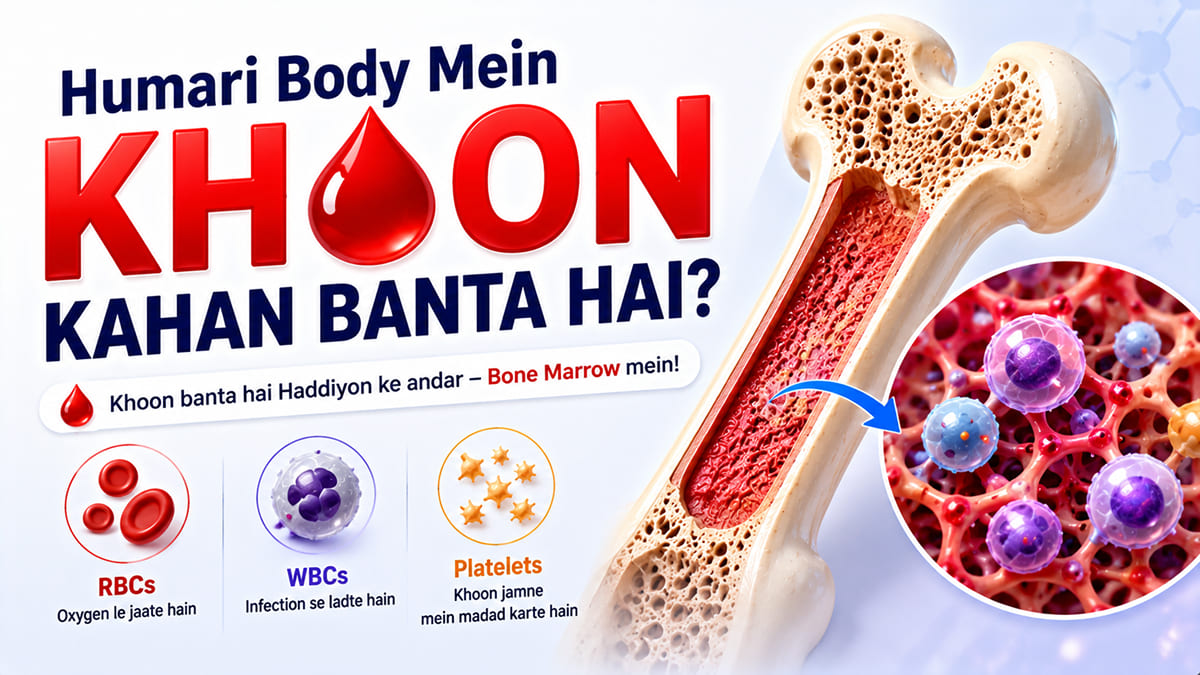
Does the Heart Make Blood? The Myth Busted
A common misconception is that the heart produces blood. In reality, the heart is merely a muscular pump that circulates blood throughout the body. So, where is blood actually made? The entire production of your blood cells happens deep inside your bones in a spongy tissue called the Bone Marrow. The physiological process of creating new blood cells is scientifically known as Hematopoiesis.
What is Bone Marrow?
Bone marrow is the flexible, jelly-like tissue found inside the hollow cavities of large bones (such as the pelvis, femur, sternum, and ribs). There are two types of bone marrow:
- Red Bone Marrow: This is the active factory responsible for producing all the circulating blood cells in your body.
- Yellow Bone Marrow: This consists mostly of fat cells and serves as an energy reserve. In cases of severe blood loss, the body can convert yellow marrow back into red marrow to boost blood production.
The Hematopoiesis Process: How Blood is Formed
The magic of blood production starts with a special type of cell in the red bone marrow called the Hematopoietic Stem Cell (HSC). These are "master cells" that have the unique ability to transform into any type of blood cell the body needs:
- Red Blood Cells (Erythrocytes): The stem cells produce RBCs, which are filled with hemoglobin to carry oxygen from the lungs to every tissue in the body. The kidneys release a hormone called Erythropoietin (EPO) to tell the bone marrow to make more RBCs when oxygen levels are low.
- White Blood Cells (Leukocytes): These are the soldiers of your immune system. The bone marrow produces various types of WBCs (like neutrophils and lymphocytes) to fight off bacterial and viral infections.
- Platelets (Thrombocytes): These are tiny cell fragments created by giant cells called megakaryocytes. Platelets are crucial for blood clotting (hemostasis) to stop bleeding when you get a cut.
How Long Do Blood Cells Live?
Blood production is continuous because blood cells have limited lifespans. Red blood cells usually circulate for about 120 days before the spleen and liver remove old or damaged cells. Platelets survive for roughly 7 to 10 days. Many neutrophils live only hours to a few days, especially during infection. Because cells are constantly aging and being replaced, the bone marrow works every day like a high-output factory. If bleeding, infection, hypoxia, or anemia occurs, chemical signals tell the marrow to increase production.
Nutrients Needed for Healthy Blood Formation
Hematopoiesis requires raw materials. Iron is needed to make hemoglobin, vitamin B12 and folate are required for DNA synthesis during red cell formation, and protein supports cell structure. Deficiency of these nutrients can lead to anemia, fatigue, shortness of breath, paleness, dizziness, and poor concentration. Bone marrow function can also be suppressed by chemotherapy, radiation, severe infection, autoimmune disease, or marrow cancers like leukemia. So the heart pumps blood, but the marrow creates it, the kidneys regulate red cell production through erythropoietin, and the spleen helps recycle old cells.
A complete blood count gives a quick window into this system. Hemoglobin reflects oxygen-carrying capacity, white cell count suggests immune activity, and platelet count shows clotting support. Abnormal values should always be interpreted with symptoms, history, and clinical examination.